Practical Guidance for Water, Fire, and Mold Situations
Restoration decisions often have to be made quickly, sometimes within the first hour after a pipe bursts, a fire is extinguished, or mold is discovered behind a wall. This resource center is built to give Aurora property owners clear, practical answers before a crew arrives, and useful context afterward.
What You'll Find Here
Articles cover topics like what to do in the first few minutes after finding water damage, how drying times typically work, the difference between clean, gray, and black water categories, and what tends to happen to materials like drywall and hardwood after they've been wet.
Why It Helps to Read Before You're in a Crisis
Knowing what to expect changes how you handle an emergency. Understanding, for example, that some wet materials may need to be removed rather than dried in place helps set realistic expectations before a contractor walks through the door.
During an Active Situation
If water is actively spreading, smoke odor is heavy, or you've just discovered visible mold growth, these articles can help you make safe, sensible decisions in the minutes before help arrives, such as what's reasonable to move yourself versus what to leave for a trained crew.
Planning Ahead
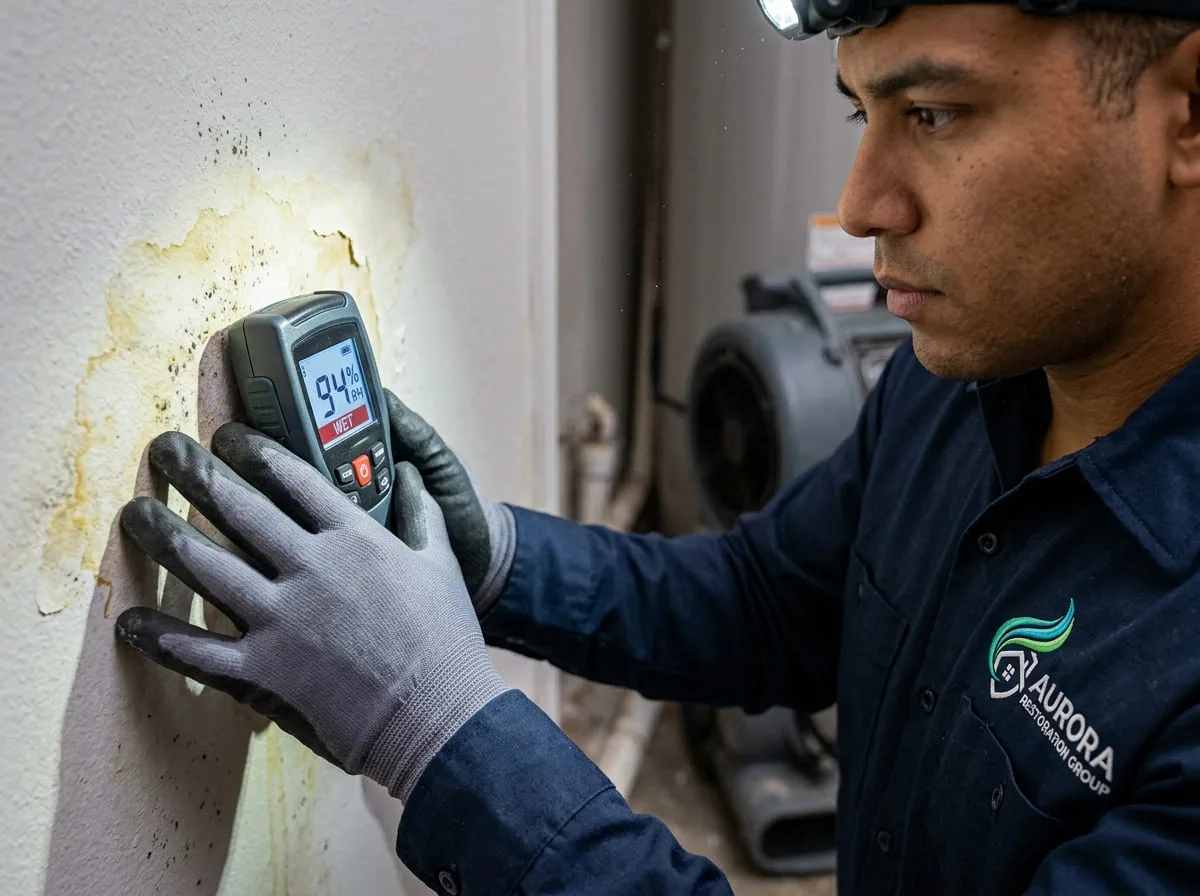
Some visitors read through these guides before anything has gone wrong, simply to understand how the restoration process works, what a Category 1 versus Category 3 water loss means, or how professionals typically locate hidden moisture behind walls and flooring.
Written for Homeowners, Not Contractors
These guides are written in plain language for property owners rather than industry professionals. The goal is to help you understand what's happening to your property and why a contractor is recommending a particular course of action, not to turn you into a restoration expert overnight.
These guides are educational, not a substitute for an on-site assessment. For an active water, fire, or mold problem, the fastest path forward is still a call to a licensed local crew, whether the issue involves water damage, fire damage, or mold growth.
Browse the articles below by topic, or search for the specific situation you're facing.
Frequently Asked Questions
Do these guides replace calling for professional help?+
No. They're meant to help you understand what's happening and what to expect, but active water, fire, or mold damage should still be reported to the emergency line for a proper on-site assessment.
Are the articles specific to Aurora, Colorado?+
Many reference conditions relevant to the Aurora and Denver-metro area, such as regional storm and freeze patterns, alongside general restoration guidance that applies anywhere.
What if my situation isn't covered by an article?+
Call the emergency line directly. The person answering can help regardless of whether your exact scenario has a dedicated article.