How Smoke Damage Differs From Fire Damage
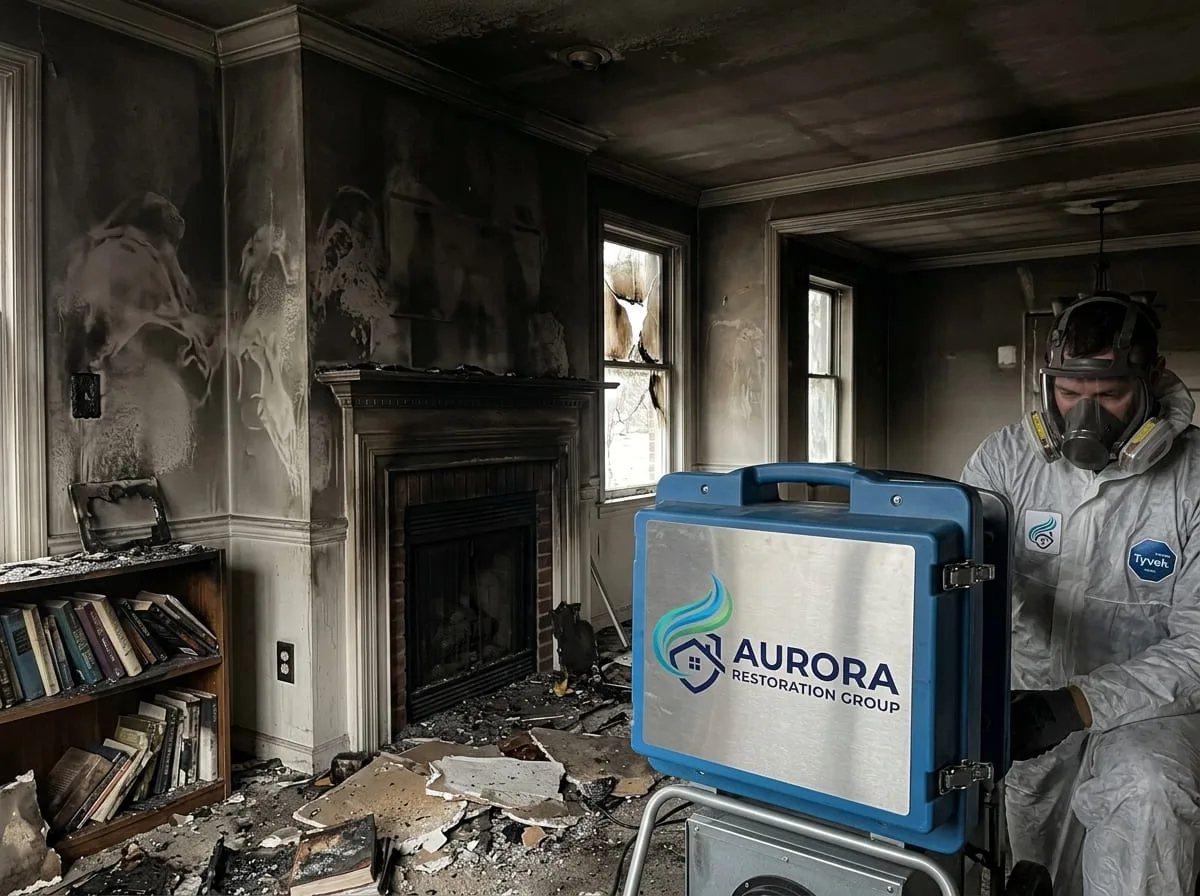
Fire damage is usually confined to the rooms that burned. Smoke damage is not: hot smoke rises and spreads through hallways, HVAC ducts, and gaps around doors and outlets, coating surfaces throughout the home in a fine residue long before it settles.
Why Smoke Reaches Rooms the Fire Never Touched
Pressure differences created by the fire and by firefighting activity push smoke into closets, cabinets, and even sealed drawers. A bedroom on the opposite side of the house from a kitchen fire can still end up with a visible film on surfaces and a lingering smell.
Types of Smoke Residue
Dry Smoke
Produced by fast-burning, high-heat fires involving materials like paper or wood, dry smoke leaves a powdery, dusty residue that's easier to wipe away but tends to spread into more rooms because of its fine particle size.
Wet Smoke
Slow-burning, lower-heat fires involving materials like plastic or rubber produce a thicker, oily residue that smears easily and clings more stubbornly to surfaces, often requiring stronger cleaning agents.
Protein Residue
Common after kitchen fires involving food, protein residue is often nearly invisible but carries a strong odor and can discolor paint and varnish over time if not addressed.
The Smoke Damage Cleanup Process
Assessment and Testing
Technicians identify the type of smoke residue present, since dry, wet, and protein residues each respond to different cleaning approaches. This step also flags surfaces that may need more aggressive treatment or replacement.
Cleaning Hard Surfaces
Walls, trim, cabinetry, and hard flooring are cleaned with specialized sponges and solutions designed to lift residue rather than smear it deeper into the surface, a common mistake with household cleaning products.
HVAC and Duct Considerations
Because smoke travels through ductwork, HVAC systems often need cleaning or filter replacement to prevent residue and odor from recirculating through the home after other cleanup is finished.
Smoke Damage in Aurora's Dry Climate
Aurora's low humidity and high-plains elevation mean indoor air tends to stay dry through most of the year. That dryness helps fine smoke particles stay suspended longer and travel further into a home's ductwork and wall cavities, which is one reason a full-home assessment matters even when visible damage looks limited to one room.
Smoke Damage vs. Soot Removal
Smoke damage cleanup and soot removal overlap but aren't identical. Soot refers specifically to the carbon-based particulate that settles on surfaces, while smoke damage covers the broader residue, discoloration, and staining smoke leaves behind, including on fabric that never touched visible soot.
What Homeowners Should Avoid
Household all-purpose cleaners can spread residue rather than lift it, and vacuuming dry smoke residue with a standard vacuum can push fine particles into the air instead of removing them. It's also worth avoiding painting over smoke-stained walls before cleaning, since residue and odor usually bleed through fresh paint within weeks.
Residential and Commercial Smoke Cleanup
Homes and businesses face the same smoke behavior, but commercial buildings often have larger HVAC systems and more square footage for smoke to travel through, which can extend the cleanup timeline. See commercial fire damage restoration for more on that difference.
Documenting Damage for Insurance
Photographing affected rooms before cleaning begins helps support an insurance claim, and insurance claim assistance is available through the restoration contractor handling the work. Keeping receipts for temporary lodging or related expenses is worth doing from the start.
Smoke Damage From Small Kitchen Fires
Not every smoke damage call follows a large structure fire. A contained kitchen fire, or even a burned pan that fills a home with smoke without ever producing open flame, can still leave protein residue and odor throughout a house, since smoke and airborne particles move through the same ductwork and doorways regardless of how the fire started.
Why Small Fires Still Warrant an Assessment
Because smoke spreads independently of the size of the fire, a small, quickly extinguished fire can still leave odor and residue in rooms well away from the kitchen. An assessment helps confirm whether the damage is limited to a few surfaces or has traveled further through the home.
Timeline for a Typical Smoke Cleanup Project
A single-room, dry-smoke cleanup can often be completed within a day or two once technicians are on site. A whole-house project involving wet smoke, HVAC cleaning, and multiple rooms typically takes longer, and the exact timeline depends on the assessment findings rather than a fixed schedule.
Ceilings, Walls, and Textured Surfaces
Textured ceilings and walls, common in homes built across several decades in the Aurora area, tend to trap more smoke residue in their surface irregularities than smooth drywall does. Cleaning these surfaces often takes more time and, in some cases, a different technique than a flat wall in the same room.
Popcorn Ceilings and Older Texture
Older textured ceiling finishes can be more fragile and, depending on age, may need testing before aggressive cleaning methods are used. This is an area where an experienced technician's judgment matters more than a one-size-fits-all approach.
What Comes Next
Once surfaces are cleaned, most homes still need smoke odor removal and deodorization to address what's absorbed into materials that cleaning alone can't fully reach. For the full picture of how smoke cleanup fits into a fire recovery timeline, see the fire damage restoration overview.
Frequently Asked Questions
How long does smoke damage cleanup take?+
Timelines depend on the size of the affected area and the type of smoke residue involved; light dry-smoke cleanup in a single room takes far less time than whole-house wet-smoke cleanup that involves ductwork.
Can smoke damage affect rooms that never had visible smoke?+
Yes, smoke and its residue travel through HVAC systems, wall cavities, and gaps around doors, so rooms away from the fire's origin often still need cleaning.
Is smoke damage cleanup the same as soot removal?+
They overlap, but soot removal focuses specifically on carbon-based particulate, while smoke damage cleanup addresses broader residue, staining, and discoloration across surfaces and fabric.
Will my HVAC system need cleaning after a fire?+
In most cases, yes, since ductwork carries smoke residue throughout the home. Cleaning or filter replacement helps prevent residue and odor from recirculating.
Does smoke damage cleanup happen before or after odor treatment?+
Cleaning surfaces typically comes first, since removing visible residue makes odor treatment more effective on what remains absorbed into materials.