What Causes Sewage Backups in Aurora Homes
Aging or Root-Intruded Sewer Laterals
Older neighborhoods, including areas near the historic Fletcher townsite, are more likely to have aging sewer lateral lines that can crack, settle, or take on tree root intrusion over time, all of which can slow drainage or cause backups.
Municipal Line Surcharges During Heavy Storms
During intense rainfall, combined stress on stormwater and sanitary systems can occasionally cause backups into lower-level fixtures, particularly in basements, which are common throughout the Denver metro area.
Clogs and Blockages
Grease, wipes, and other debris that shouldn't go down a drain remain one of the most common everyday causes of a backup, independent of any weather event.
Why Sewage Is Handled Differently Than Clean Water
Sewage is classified as contaminated water, generally the most severe category used in restoration work, because it can carry bacteria and other contaminants. That classification changes the approach: affected porous materials like carpet, padding, and lower drywall are typically removed rather than dried, and containment is used to keep the affected area separate from the rest of the property during cleanup. See water damage categories explained for more on how categories are determined.
The Sewage Cleanup Process
Containment and Safety Setup
The affected area is contained to limit contact and cross-contamination with unaffected parts of the property, and technicians use appropriate personal protective equipment throughout the job.
Extraction and Material Removal
Standing sewage is extracted, and materials that absorbed it are removed rather than dried, since drying alone doesn't address the contamination those materials can hold.
Cleaning, Sanitizing, and Deodorizing
Surfaces that remain are cleaned and sanitized using appropriate antimicrobial products, and odor treatment is part of the process rather than an afterthought, since sewage odor can linger in porous surfaces that weren't fully removed.
Drying and Air Quality Checks
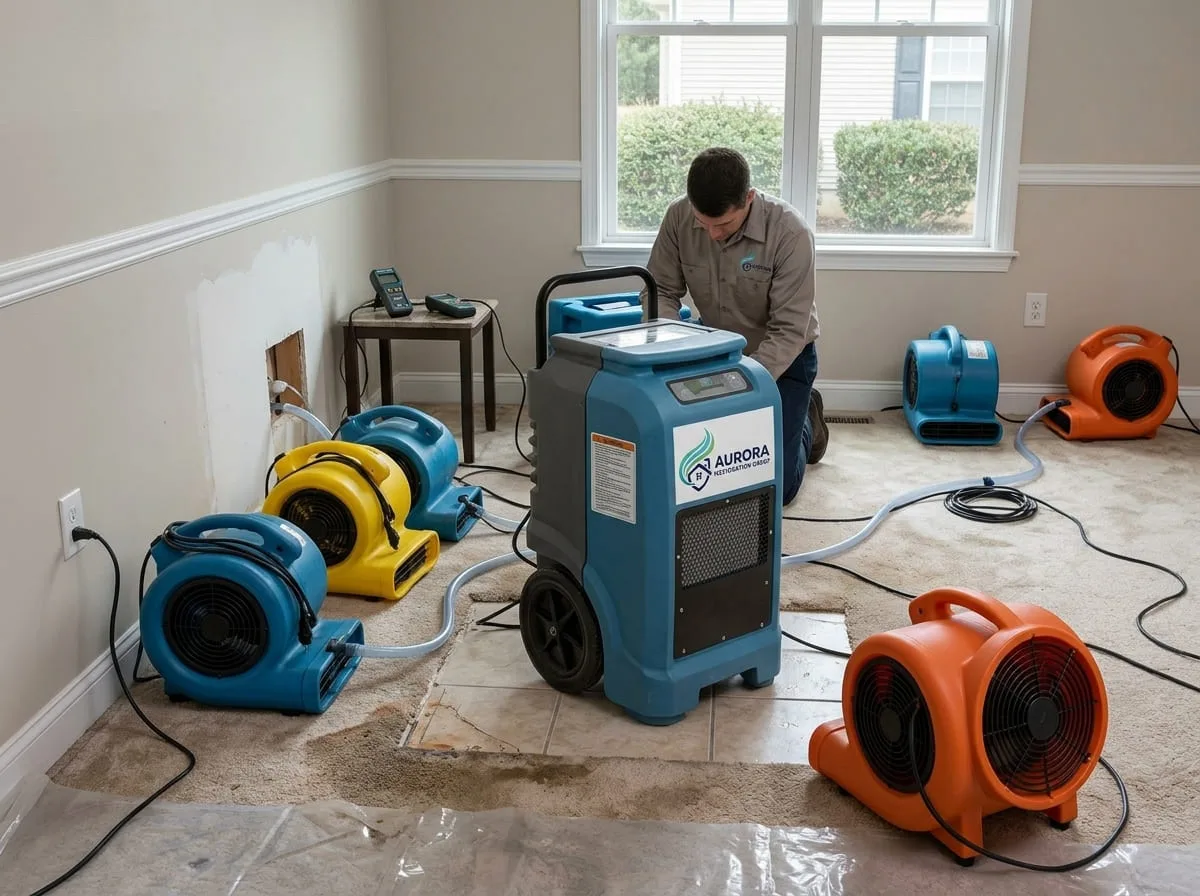
Once the area is clean, structural drying proceeds the same way it does for other water damage, with moisture monitoring continuing until materials reach normal levels.
Sewage Backups in Basements
Basements are the most common location for a sewage backup to surface, since they sit at the lowest point in the plumbing system. If your basement was affected, see basement water damage and flooded basement cleanup for related guidance, and water extraction and water removal for how standing liquid is removed regardless of source.
Sewage backups can also happen alongside flooding during a major storm event; see flood damage cleanup if both occurred together.
General Safety Considerations
Contaminated water calls for keeping household members and pets away from the affected area until cleanup is complete, and avoiding direct contact with the water itself. This is a standard precaution for any contaminated water event, not a sign that a situation is unusually severe.
Preventing Future Sewage Backups
Backwater Valves
A backwater valve installed on the main sewer line can help prevent municipal line surcharges from pushing sewage back into a property during heavy storms, though installation is a plumbing decision best discussed with a licensed plumber familiar with the specific property.
Routine Line Maintenance
Periodic inspection of older sewer laterals, particularly in neighborhoods with mature trees and aging infrastructure, can catch root intrusion or line deterioration before it causes a backup.
Commercial Sewage Cleanup
Restaurants, multifamily buildings, and other commercial properties with heavier plumbing use face their own version of this risk, often with larger-diameter lines and more fixtures feeding into a single system. See commercial water damage restoration for how commercial-scale events are handled generally.
What Determines the Scope of a Sewage Cleanup
The volume of water, how far it traveled, which materials it touched, and how long it sat before cleanup began all affect the scope of the job. A contained bathroom backup addressed quickly is a very different job than a basement-wide event that sat for a day before being discovered.
Sewage Backups and Structural Drying
Once contaminated materials are removed and surfaces are sanitized, the remaining structure is dried using the same air movement and dehumidification approach as any other water event. See structural drying and dehumidification for how that process is monitored through to completion.
Odor as a Lingering Concern
Sewage odor can persist in porous materials that weren't fully removed or in HVAC ductwork that circulated air during the event. If odor remains noticeable after cleanup and drying, it's worth a follow-up inspection rather than assuming it will fade on its own.
Sewage Cleanup and Belongings
Personal items exposed to sewage are generally treated more conservatively than items exposed to clean water, since porous belongings can hold contamination even after visible cleaning. Non-porous items, like sealed containers or hard plastic goods, are more likely to be cleaned and kept.
Why Sewage Cleanup Isn't a DIY Project
Beyond the safety concerns, effective sewage cleanup depends on correctly identifying which materials to remove versus sanitize, a distinction that isn't always obvious without experience handling contaminated water categories. Treating a sewage event the same way as a clean-water spill risks leaving contamination behind under a surface that looks clean.
Sewage Backups Tied to Aurora's Housing Stock
Older sewer lateral lines in established neighborhoods can be more prone to root intrusion and settling over decades of service, which is one reason a sewage backup in an older home sometimes points to a line issue worth having a plumber camera-inspect, beyond the immediate cleanup.
Frequently Asked Questions
Is it safe to clean up a sewage backup myself?+
It's not recommended. Sewage is a contaminated water category that calls for proper protective equipment, containment, and disposal procedures that go beyond typical household cleaning supplies.
Will insurance cover sewage backup cleanup?+
Coverage depends on the specific policy and endorsements in place; some homeowners policies include sewer backup coverage as an add-on rather than standard coverage. Insurance claim assistance is available through the receiving restoration contractor to help document the loss.
Can carpet or drywall be saved after a sewage backup?+
Generally no, for materials that directly absorbed the contaminated water. Porous materials like carpet padding and lower drywall are typically removed and replaced rather than dried, since contamination can remain even after the material looks dry.
How long does sewage cleanup take?+
It varies with the extent of the backup and how much material needs removal versus drying. Containment, extraction, and material removal typically happen in the initial visit, with drying and any rebuild work following over subsequent days.
What should I avoid doing before crews arrive for a sewage cleanup?+
Avoid direct contact with the water and keep children and pets away from the affected area. Running fans without proper containment can also spread contaminated particles to unaffected rooms, so it's better to close off the space and wait for equipment suited to the job.