Two Terms, Two Different Jobs
"Water extraction" and "water damage restoration" are often used as if they mean the same thing, but they describe two different phases of recovering from a leak or flood. Extraction is the fast, first response. Restoration is the broader process that includes extraction as just one of several steps.
Understanding the difference matters because it affects what you should expect from an emergency call, how a job gets scoped, and how insurance claims are typically structured.
It also matters for setting expectations with family or building occupants. Extraction can look dramatic, with pumps running and standing water visibly disappearing within an hour or two, which sometimes creates the impression the problem is solved. Restoration is the quieter, longer phase that actually determines whether the structure holds up over the following months.
What Water Extraction Actually Is
Removing Standing Water Fast
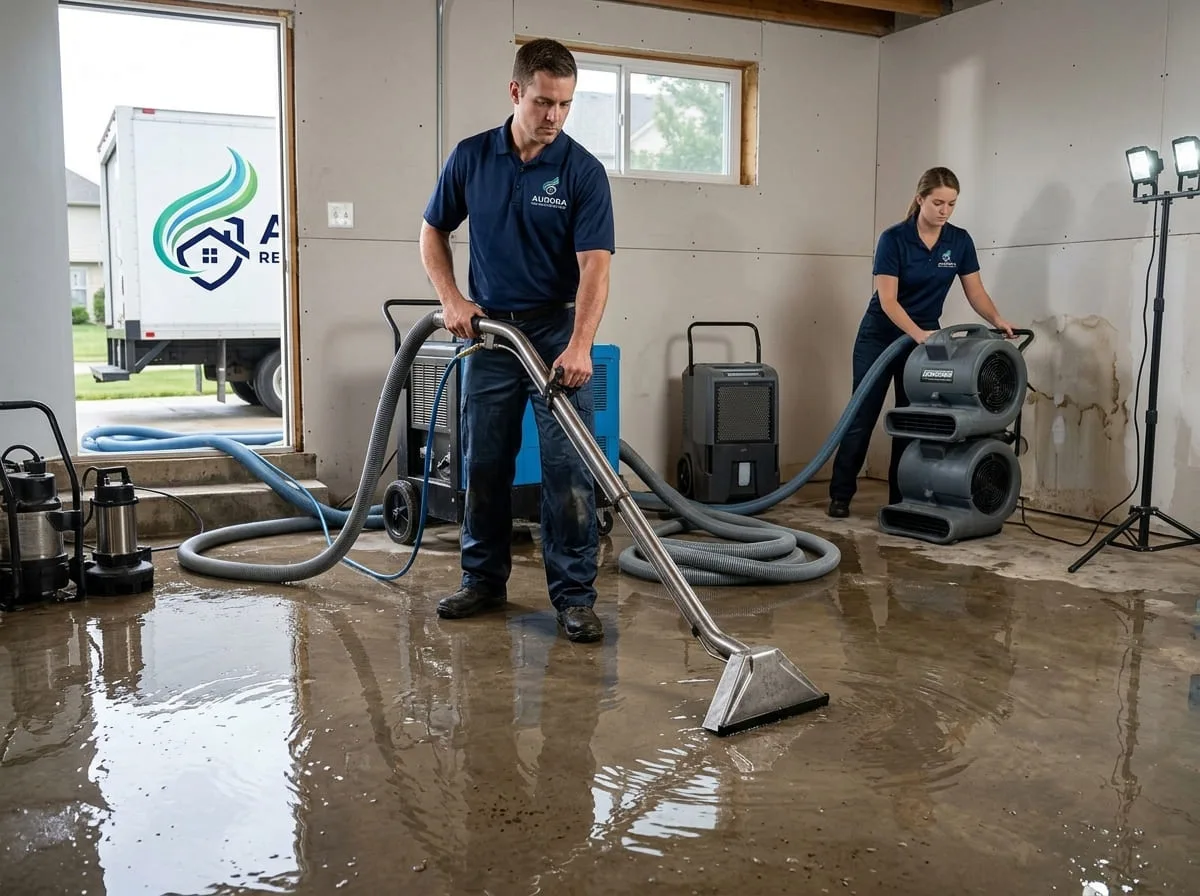
Water extraction refers specifically to removing standing or pooled water using pumps, truck-mounted extraction units, or portable extraction equipment. It's the emergency-response step that happens within the first few hours of a call, focused on getting bulk water off floors and out of carpet and padding before it spreads further.
Why Speed Matters More Here Than Anywhere Else
Every hour that water sits, it wicks further into flooring, baseboards, and drywall. Extraction is the step most directly tied to limiting how much material ends up needing replacement instead of drying, which is why it's typically the very first thing a crew does on arrival, ahead of any assessment paperwork or planning.
What Full Water Damage Restoration Includes
Restoration Is the Umbrella Process
Water damage restoration covers the entire recovery timeline: initial extraction, moisture mapping, structural drying and dehumidification, cleaning and sanitizing affected surfaces, and repairing or rebuilding any materials that couldn't be saved. Extraction is step one of this larger process, not a separate service.
Structural Drying Comes Next
Once standing water is gone, moisture remains trapped in building materials, sometimes far from where the original spill occurred. Structural drying and dehumidification is the phase that addresses this, using air movers and dehumidifiers monitored over days until materials return to a normal moisture range. Our guide on how long that process typically takes covers the variables involved.
Cleaning, Repair, and Reconstruction
After materials are confirmed dry, restoration includes cleaning and disinfecting affected surfaces, removing anything that couldn't be salvaged, and repairing or rebuilding damaged areas — from patching drywall to replacing flooring or, in larger losses, more extensive reconstruction.
Do You Always Need Both?
Small, Caught-Early Leaks
A small spill caught immediately, where water didn't have time to soak into flooring or walls, may only need extraction and some fan-assisted drying, without a full restoration scope. This is uncommon for anything beyond a very minor, quickly noticed leak.
Most Real-World Water Damage Needs Both
In most cases involving a burst pipe, appliance failure, roof leak, or flooding, extraction alone is not enough. Water has typically already reached flooring, subfloor, or wall cavities by the time it's discovered, which means the full restoration process — extraction followed by monitored drying — is what actually gets the structure back to a safe, stable condition.
How This Plays Out for a Burst Pipe
A frozen or burst pipe is a good example of why the distinction matters. The initial call usually focuses on extraction: stopping the water source and removing standing water fast, described step by step in our guide to burst pipe cleanup before crews arrive. But because burst pipes often release a large volume of water quickly, the restoration phase that follows — drying wall cavities, subfloor, and insulation — is frequently more involved than the extraction step itself. Aurora's freeze-thaw pattern, where a mild chinook spell followed by a hard cold snap stresses pipes, is a common local trigger for exactly this scenario.
Equipment Differences Between the Two Phases
Extraction Equipment
Extraction relies on pumps for deep standing water, truck-mounted extraction units for large volumes, and portable extractors for carpet and smaller areas. The goal of this equipment is speed and volume — getting bulk water out as fast as possible.
Restoration and Drying Equipment
The restoration phase uses a different toolkit: air movers, refrigerant or desiccant dehumidifiers, moisture meters, and sometimes thermal imaging cameras. These tools are about precision and monitoring over days, not speed in the first hour, and the moisture-mapping side of that process is covered in our guide on how professionals find hidden moisture behind walls.
How Scope Gets Determined
The Initial Walkthrough
When crews first arrive, part of the job is a walkthrough to identify not just where water is standing but where it's likely traveled — under flooring, into baseboards, up drywall. This walkthrough shapes whether the job stays a simple extraction or expands into a full restoration scope.
Reassessing as Work Progresses
Scope isn't always finalized on day one. Sometimes a section thought to be a simple extraction turns into a drying project once moisture meters reveal saturation that wasn't visible at first, or once a wall cavity is checked and found wetter than expected.
Why the Distinction Matters for Insurance
Insurance documentation often separates emergency mitigation (extraction and initial drying setup) from the broader restoration and repair scope, partly because mitigation needs to happen immediately regardless of claim approval timelines, while repair work is scoped and estimated afterward. Knowing that extraction is the emergency first step, not the whole job, helps set realistic expectations for both the timeline and the paperwork involved.
Why Some Companies Only Handle One Phase
Extraction-Only Providers
Some plumbing companies and smaller outfits offer emergency water pickup but don't carry structural drying equipment or monitor moisture over multiple days. That can leave a gap between the emergency response and the longer process that actually prevents trapped moisture from becoming a bigger problem.
Full-Service Restoration Providers
A provider set up for full restoration handles extraction and the drying, cleaning, and repair phases that follow as one continuous process, with the same team tracking moisture readings from day one through to a confirmed dry standard. This continuity matters because decisions made during extraction — what got wet, how contaminated it might be — directly shape the restoration plan that follows.
What This Means When You're Evaluating Options
If you're comparing restoration providers, it's worth asking directly whether they handle both extraction and the full drying and repair process, or only the emergency pickup. A same-provider approach generally means fewer handoffs and a clearer paper trail for insurance, since moisture documentation continues under one point of contact rather than being split between separate companies.
Residential and Commercial Scope Differences
A residential job typically means a single-family home or a unit within a larger building, where extraction and restoration both focus on interior living space. A commercial loss can involve larger open floor plans, multiple tenants, or specialized flooring and equipment, which changes the logistics of both phases without changing the underlying two-step process of extraction followed by monitored drying and repair.
What to Ask When You Call for Help
If you're not sure whether you need extraction only or full restoration, a same-call assessment usually clears it up. Crews dispatched for emergency response are equipped to extract water immediately and then evaluate, with moisture meters, whether drying equipment and a longer monitored process are needed — which for most real leaks and floods, they are.
A Simple Way to Keep the Two Straight
If it helps to boil this down: extraction is what stops the bleeding, and restoration is everything that follows to actually heal the structure. Extraction typically wraps up in hours. Restoration, from initial drying through final repairs, is measured in days for drying and can extend further when reconstruction is involved. Neither phase substitutes for the other, and a provider who treats extraction as the finish line rather than the starting point is leaving the harder, less visible part of the job undone.
Frequently Asked Questions
Is water extraction the same as water damage restoration?+
No. Extraction is the fast removal of standing water and is one of the first steps in the broader restoration process, which also includes structural drying, cleaning, and repair of anything that couldn't be saved.
Can I just get extraction without the full restoration process?+
For a very small, quickly caught leak that hasn't soaked into flooring or walls, extraction and basic drying may be enough. Most real water damage from pipes, appliances, or storms has already reached absorbent materials by the time it's found, which calls for the fuller drying process too.
Why does extraction need to happen so fast?+
Every hour that water sits allows it to wick further into flooring, baseboards, and wall cavities, turning materials that could have been dried in place into materials that need to be removed and replaced.
Does insurance treat extraction and restoration differently?+
Documentation often separates emergency mitigation, which includes extraction and initial drying, from the broader repair and reconstruction scope, since mitigation typically needs to start immediately while repairs are estimated afterward.
How do I know if my situation needs more than extraction?+
If water reached carpet padding, subfloor, drywall, or wall cavities, or if it sat for more than an hour or two before being addressed, structural drying beyond basic extraction is almost always needed to prevent trapped moisture problems.