
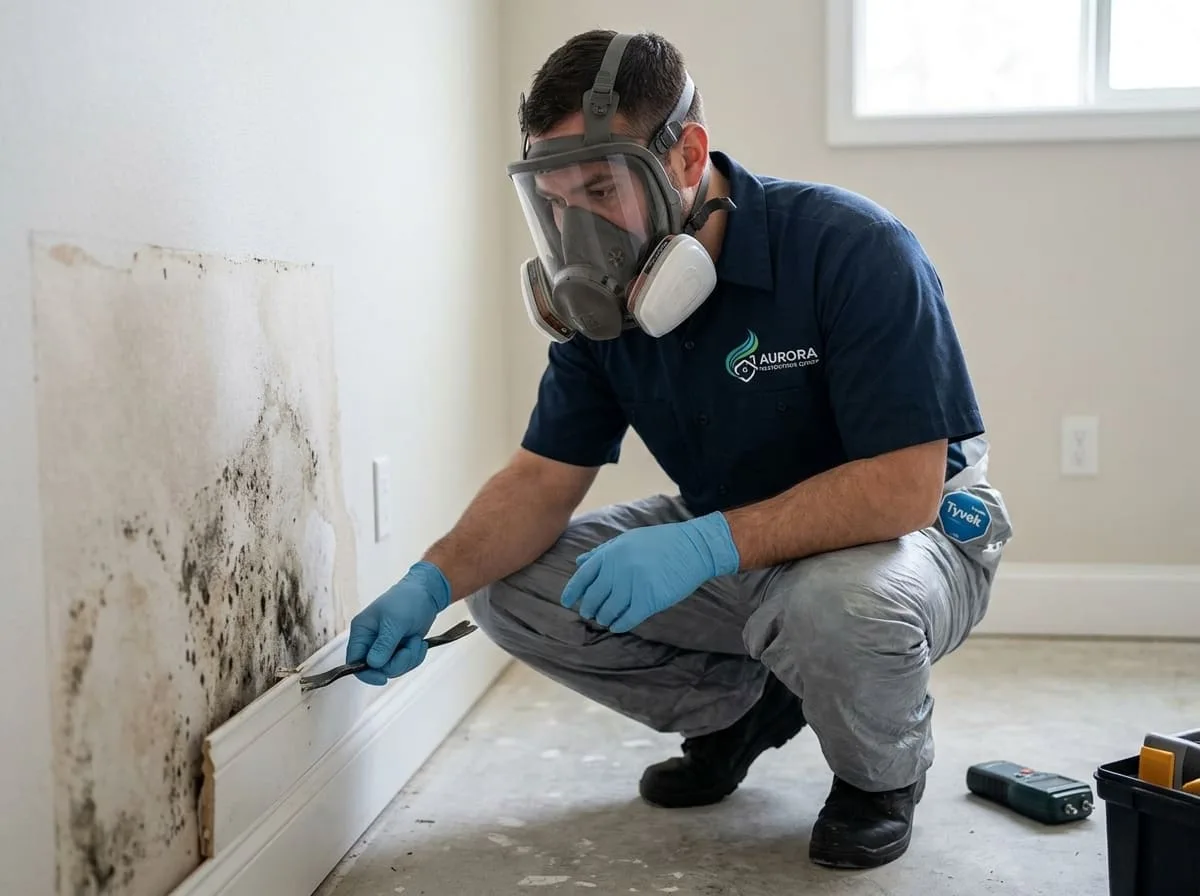
Mold Remediation for Aurora Homes
Residential mold remediation covers single-family homes, townhomes, and condos across every era of Aurora's housing stock, from early-20th-century bungalows near the historic Fletcher townsite to homes still under construction near the city's eastern growth corridor.
What Makes Residential Different From Commercial
A home's remediation work has to account for daily living — family schedules, pets, personal belongings, and, in many cases, the desire to stay in the home during the work. That's a different set of priorities than a commercial building focused on tenant leases and operational hours, and it shapes how containment and scheduling are handled. See commercial mold remediation for that side of the work.
Common Residential Mold Locations
Basements and Crawl Spaces
Basements are a standard feature of Colorado homes, and unfinished sections used for storage or mechanical equipment often go unchecked long enough for a small leak to develop into a larger problem. See basement and crawl space mold remediation for more detail.
Bathrooms and Around Plumbing Fixtures
Bathrooms combine regular moisture exposure with plumbing connections at sinks, tubs, and toilets, making them one of the more common spots for localized mold growth, particularly in homes with older fixtures or inadequate ventilation.
Attics After Roof Damage
Hail and wind damage to roofing — a recurring risk in Aurora's Hail Alley location — can let water into attic insulation and ceiling drywall well before a stain becomes visible from inside the home.
The Residential Remediation Process
Work typically begins with containment to protect the rest of the home, followed by removal of any porous materials that can't be reliably cleaned. Furniture and belongings in the affected area are protected or relocated where needed, and remaining surfaces are cleaned, treated, and dried using professional equipment.
Once the work is finished, post-remediation verification can confirm the area meets expectations before containment barriers come down. See post-remediation verification and clearance testing for that final step.
Homes Across Aurora's Eras
Older neighborhoods such as Original Aurora and Downtown tend to have legacy plumbing and finishing materials that are more susceptible to slow leaks, while newer communities like Saddle Rock and Tallyn's Reach generally have more modern plumbing but still face the same hail, appliance, and basement-related risks as the rest of the metro area.
Living in the Home During Remediation
Whether occupants can stay in the home during remediation depends on the size and location of the affected area. Contained, single-room jobs often allow the rest of the household to continue as normal, while more extensive work may call for temporary arrangements while containment and drying equipment are in place.
What to Expect on the Day of Service
Initial Walkthrough and Scope
A technician typically walks the affected area with the homeowner first, confirming what will be removed, treated, or protected before any work starts, so there are no surprises about scope once the job is underway.
Setting Up Containment
Plastic sheeting and negative-air equipment isolate the work zone from the rest of the home, which helps protect indoor air quality in unaffected rooms while remediation is in progress.
Protecting Unaffected Belongings
Furniture, electronics, and other items near the work area are typically covered or relocated before demolition or cleaning begins, reducing the chance of dust or debris affecting anything outside the immediate scope.
Choosing the Right Response for Your Home
Not every residential mold situation calls for the same scope of work. A small, contained spot with an obvious, already-fixed cause may need only localized cleaning and treatment, while a basement affected by a slow, long-term leak may require more extensive material removal. A mold inspection is what determines which situation applies before work begins.
Pets, Kids, and Everyday Household Concerns
Keeping Pets and Children Away From the Work Zone
Containment barriers are designed to keep the work area sealed, and keeping pets and children out of that zone for the duration of the job is a straightforward way to avoid disturbing equipment or materials while remediation is underway.
Planning Around Daily Routines
For work in a kitchen, bathroom, or another frequently used space, discussing scheduling with the crew ahead of time can help minimize disruption to meals, showers, and other everyday routines during the job.
After the Work Is Done
Once remediation and any needed reconstruction are complete, the space is typically returned to normal use. Keeping an eye on the area that was affected, and addressing any new moisture signs quickly, is the best way to avoid a repeat visit down the road.
Getting the Process Started
Most residential jobs begin with a call describing what's been noticed — a musty smell, visible growth, or a recent leak. From there, an inspection typically follows to confirm the extent of the issue before any remediation work is scheduled.
Insurance claim assistance is available through the receiving contractor for homeowners working through a claim related to the underlying water event, alongside the remediation work itself.
A Note on Timing
Because Aurora's dry climate means mold almost always follows a specific water event rather than ambient humidity, the gap between that event and a homeowner's response matters. A prompt call after noticing a leak, storm intrusion, or musty odor generally means a smaller, more contained remediation job than waiting weeks to have it checked.
This holds true regardless of a home's age or neighborhood — the deciding factor is almost always how quickly the moisture source was addressed, not the construction era of the property itself.
Frequently Asked Questions
Can I live in my house during mold remediation?+
In many cases, yes, particularly for contained, localized jobs where the rest of the home is unaffected. More extensive remediation covering multiple rooms may call for temporary arrangements while work is underway.
What does residential mold remediation typically involve?+
It generally includes containment of the work area, removal of materials that can't be reliably cleaned, cleaning and treatment of remaining surfaces, and drying with professional equipment, followed by verification once the work is complete.
Will my belongings be thrown away during remediation?+
Not automatically. Belongings in the affected area are assessed individually; porous items that were saturated for an extended period may need to be discarded, while others can often be cleaned or moved out of the work zone.
Is residential mold remediation different for older vs newer Aurora homes?+
The remediation steps are the same, but older homes with legacy plumbing and basements are statistically more prone to the leaks that lead to mold, while newer homes with modern PEX or copper plumbing still face risk from hail damage, appliance failures, and basement moisture.
Do I need a mold inspection before remediation begins?+
It's generally recommended, since an inspection maps the extent of the problem and identifies the moisture source, which helps determine the right scope of remediation work rather than guessing at it.