
How Water Affects Different Flooring Types
Solid Hardwood
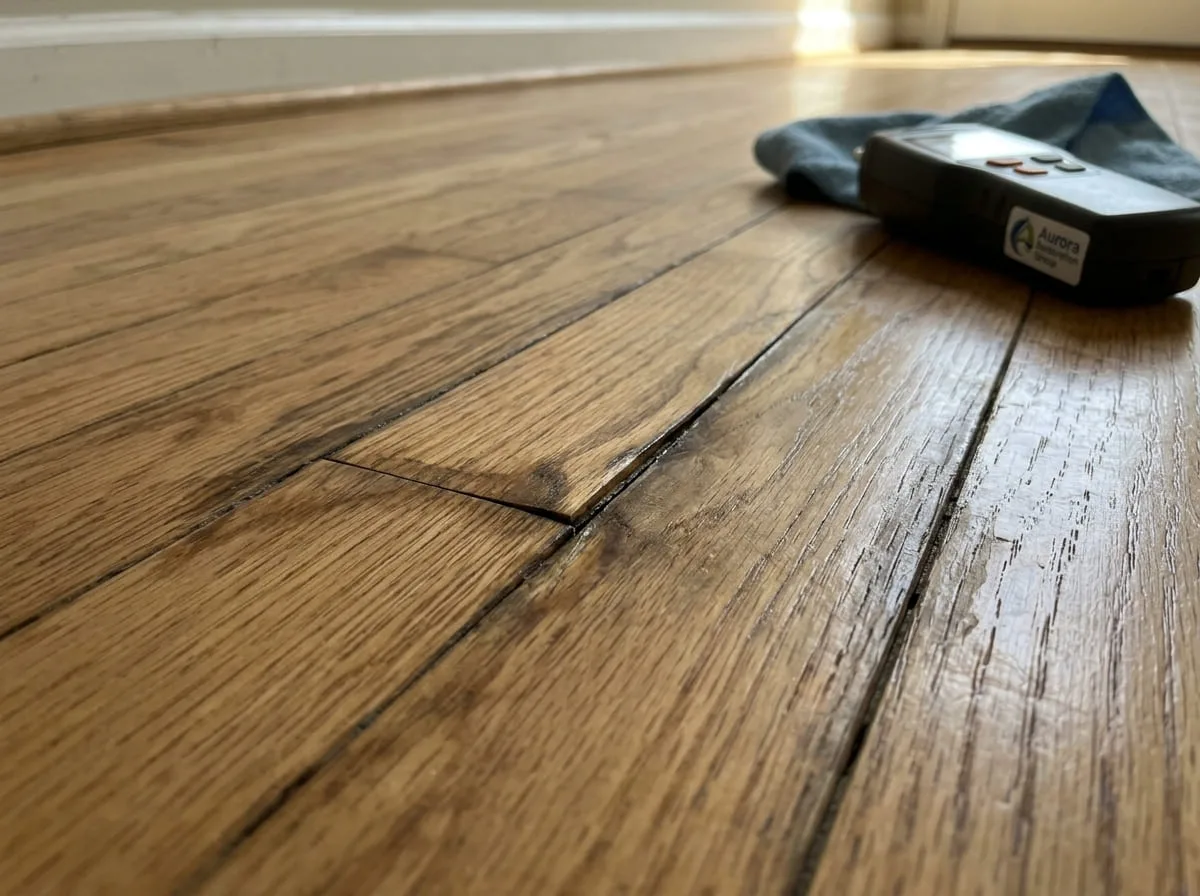
Solid hardwood absorbs moisture unevenly across its width, which causes the edges of individual boards to swell faster than the center, a pattern known as cupping. In more severe cases, boards can buckle up off the subfloor entirely.
Engineered Hardwood
Engineered flooring holds up somewhat differently than solid hardwood because of its layered construction, but prolonged moisture exposure can still cause delamination between layers, which isn't always reversible with drying.
Laminate and Vinyl Flooring
Laminate flooring's core material typically swells permanently once saturated and rarely returns to its original shape even after drying. Vinyl flooring is more water-resistant at the surface but can still trap moisture underneath if water gets past seams or edges.
Carpet and Padding
Carpet padding absorbs and holds water more than almost any other flooring material, and it rarely dries adequately in place, which is why extraction and, in many cases, padding replacement are standard even when the carpet itself can be saved.
Assessing Whether Flooring Can Be Saved
The decision depends on the flooring type, how long it was wet, and whether the water was clean or contaminated. Moisture meters measure how much water the flooring and subfloor beneath it actually absorbed, which is a more reliable guide than visual appearance alone. Being honest that not every floor can be saved, rather than promising a save that won't hold up, is part of a proper assessment.
The Drying and Repair Process
Extraction and Initial Drying
Standing water is removed first, and for solid hardwood specifically, specialty floor mat drying systems can sometimes pull moisture from both the flooring and the subfloor beneath it simultaneously.
Subfloor Assessment
Flooring damage often means subfloor damage too, and subfloor moisture needs to reach normal levels before new flooring is installed, or the same problem can recur underneath a brand-new surface.
Replacement When Drying Isn't Enough
When flooring has cupped severely, delaminated, or was exposed to contaminated water, replacement is typically the more reliable option rather than attempting to dry and refinish material that's already structurally compromised.
Related Situations
Flooring damage is often connected to another root cause worth reviewing: appliance leak and overflow cleanup for kitchen and laundry sources, or burst pipe water damage for plumbing failures. For how the broader drying process works alongside flooring-specific concerns, see structural drying and dehumidification.
Tile and Stone Flooring
Tile and natural stone themselves generally tolerate water well, but the grout, subfloor, and any underlayment beneath them can still trap moisture. A tile floor that looks fine on top can still have a wet subfloor underneath that needs the same drying and monitoring as any other flooring type.
Refinishing After Drying Is Complete
Solid hardwood that dried without significant cupping or buckling can often be sanded and refinished to restore its appearance, rather than being replaced outright. This decision is generally made after moisture readings confirm the wood and subfloor have returned to normal levels, not immediately after the water event.
Factors That Influence Flooring Repair Scope
The flooring material, the size of the affected area, whether matching material is available for a partial repair, and subfloor condition all influence how a flooring repair is scoped. A small isolated area may allow for board or plank replacement, while widespread cupping across a room more often calls for a full floor replacement to keep the finished appearance consistent.
Flooring Damage Tied to a Specific Cause
Because flooring damage is a symptom rather than a root cause, it's worth reviewing what actually produced the water in the first place. Common contributors include burst pipe water damage and appliance leak and overflow cleanup, both of which are worth addressing so a repaired or replaced floor isn't exposed to the same failure again.
Flooring in Basements and Below-Grade Spaces
Basement flooring, whether carpet, laminate, or engineered wood, faces added risk from below-grade humidity even outside of a specific leak event. See basement water damage and flooded basement cleanup for the broader picture of moisture risk in these spaces.
Cost Considerations for Flooring Repair
Repair cost generally scales with the affected area, the flooring material's replacement cost, and whether subfloor work is also needed. An accurate cost picture typically isn't possible until moisture readings and a visual assessment confirm the actual scope, rather than estimating from the visible damage alone.
Matching New Flooring to Existing Material
When only a section of flooring needs replacement, matching plank width, species, and finish to existing material isn't always straightforward, particularly for hardwood installed years earlier. In some cases, a partial repair is possible; in others, a full room replacement produces a more consistent result.
Flooring Damage From Appliances vs. Structural Leaks
Flooring damage near a kitchen or laundry appliance often has a contained, identifiable source, while flooring damage tied to a ceiling leak or burst pipe may extend further before it's noticed. See ceiling and wall water damage for that related scenario.
Flooring Warranty and Manufacturer Guidance
Some flooring manufacturers publish their own guidance on water exposure limits and warranty terms after a moisture event, which is worth checking alongside a professional moisture assessment, particularly for engineered products with specific installation and exposure requirements.
Frequently Asked Questions
Can cupped hardwood flooring be fixed without full replacement?+
Mild cupping caused by a short-term moisture event can sometimes resolve once the flooring and subfloor fully dry, though sanding and refinishing may be needed afterward. Severe cupping or buckling usually requires board replacement.
How long can flooring sit wet before it needs replacement?+
There's no single fixed timeline, since it depends on the flooring material, the water's contamination level, and how much it absorbed. A moisture assessment is the reliable way to determine whether drying is still a realistic option.
Is laminate flooring worth trying to save after water exposure?+
Laminate's core material typically swells permanently once saturated, so replacement is usually the more practical outcome rather than attempting to dry and reuse it.
Does the subfloor need to be checked even if the flooring itself looks fine?+
Yes. Water can pass through seams or edges and affect the subfloor even when the visible flooring surface doesn't show obvious damage, so a moisture check underneath is a standard part of the assessment.
Will new flooring be installed right away after drying?+
Not until subfloor moisture readings confirm the structure has returned to normal levels. Installing new flooring over a subfloor that's still damp can trap moisture and cause the same problem again.