
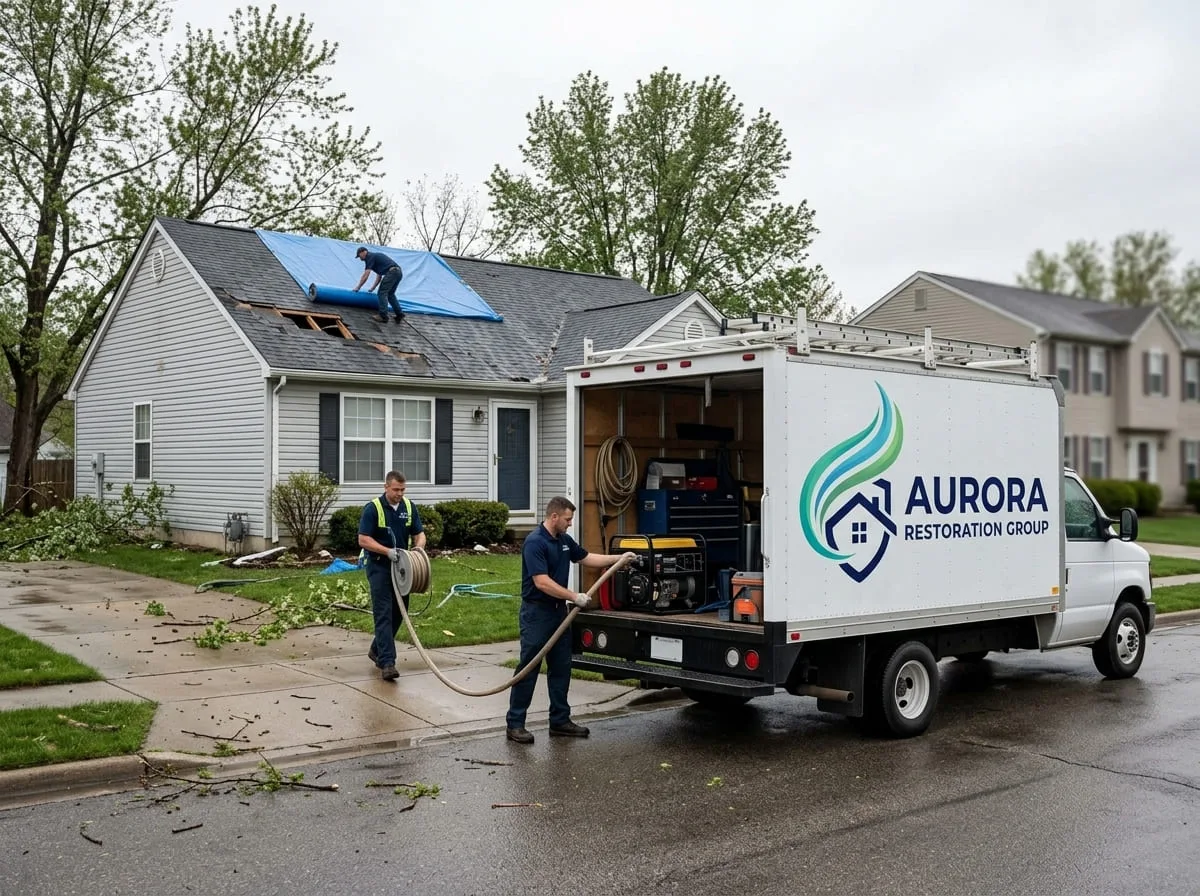
An Established Part of South Aurora
Heather Ridge is a long-established residential neighborhood in south Aurora, part of the broader suburban buildout that filled in the city between its historic core and the newer master-planned communities further southeast toward E-470. Houses here have had time to settle, landscaping has matured, and -- as with any established neighborhood -- home systems including plumbing, roofing, and water heaters have aged along with the buildings.
What Age Means for Water Damage Risk
An established home isn't automatically a risky one, but appliances and mechanical systems do have finite lifespans. A water heater, washing machine supply hose, or dishwasher connection installed decades ago is statistically more likely to fail than one installed last year, simply because more time has passed. The same logic applies to roofing: a roof that has weathered more Colorado hailstorms has had more opportunities for minor, hard-to-see damage to accumulate.
Basements and Slow Leaks
Basements are a standard feature of Colorado homes across most eras, and Heather Ridge is no exception. A slow supply line leak or a failing sump pump in a basement can go unnoticed longer than a leak in a visible above-grade room, sometimes causing more extensive damage to flooring, drywall, and stored belongings by the time it's discovered.
Storm Season in Heather Ridge
Like the rest of Aurora, Heather Ridge sits within Hail Alley, the Front Range corridor known for producing some of the highest large-hail frequencies in the country. The Denver metro area's severe convective storm season runs roughly April through September, and damaging hail or wind can compromise roofing and siding well before a homeowner notices a leak.
Responding Quickly Matters
Calls from Heather Ridge are routed to licensed, insured, and IICRC-certified restoration professionals available for 24/7 emergency response. Water extraction and structural drying begin promptly to limit how far moisture spreads into subfloor, framing, and finished surfaces.
Water Heaters and Laundry Connections
A water heater installed when a Heather Ridge home was originally built or last remodeled may be well past the point where failure risk starts climbing. The same goes for older washing machine hoses, which are more prone to bursting than the braided steel lines now standard in newer installations, sometimes releasing a substantial amount of water before anyone notices.
Roofing Wear Over Time
A roof that has been through multiple hail seasons, including the 2017 and 2024 storms that affected the broader Denver-Aurora area, may show cumulative wear even if no single event caused an obvious hole. That kind of gradual weakening is one reason periodic roof checks matter in an established neighborhood.
Storm-Related and Plumbing-Related Causes
Both storm and rain water damage and burst pipe water damage are common calls from established neighborhoods like Heather Ridge, and the two sometimes overlap when a storm-damaged roof leads to interior water intrusion weeks or months after the original hailstorm.
Residential Restoration Focus
Most work in Heather Ridge is residential, covered under residential water damage restoration, with basement water damage cleanup handling the below-grade spaces common throughout the neighborhood. If you've just discovered water damage, the steps outlined in what to do immediately after finding water damage are worth reviewing while help is on the way.
Beyond Water Damage: Mold and Fire Concerns
Water that sits for more than a day or two, whether from a slow basement leak or a storm-damaged roof that wasn't caught right away, can create conditions where mold becomes a secondary concern. Mold remediation, including inspection, testing, and containment, is available through the same referral network when that becomes an issue.
Fire and Smoke Damage
Heather Ridge properties dealing with fire or smoke damage, whether from a kitchen fire or an electrical issue, can reach fire damage restoration professionals through the same 24/7 line, including emergency board-up services and full reconstruction where needed.
A Note on Realistic Expectations
Not every material affected by a leak or storm event can be saved. Drywall, insulation, and some flooring that has absorbed significant moisture may need to be removed rather than dried in place, particularly in an older home where materials have already had years of wear. An honest on-site assessment determines what can realistically be restored.
Nearby Areas
The same dispatch network also serves Meadowood and Pheasant Run and Seven Hills and Mission Viejo. See the full Aurora, CO service area list for additional coverage.
Frequently Asked Questions
Why would an older home be more prone to water damage than a new one?+
It's mostly about the age of mechanical systems, not the age of the structure itself. Water heaters, supply hoses, and appliance connections all have a finite service life, so a home with original or long-unreplaced components statistically carries more risk of a failure.
How can I tell if my roof has old hail damage I never noticed?+
Hail damage isn't always visible from the ground. Cracked or bruised shingles, damaged flashing, and compromised skylight seals can sit unnoticed for months until a rainstorm finds the weak spot and water enters the attic or ceiling.
Does Heather Ridge have a lot of basements?+
Basements, including unfinished basements used for storage and mechanical equipment, are a common feature of Colorado homes across most construction eras, and Heather Ridge follows that general pattern.
What should I do first if I discover a slow leak in my basement?+
Shut off the water supply if the source is identifiable, move any salvageable items away from the wet area, and call for an assessment. Slow leaks that have been running for a while often affect more material than is visible at first glance.